Efficient Hydrogen Compression Oil Free: คู่มือฉบับสมบูรณ์ — Class 0 + 4 ตัวเลือกการเช่าสำหรับโรงงานไทย 2026
Quick Answer
Efficient Hydrogen Compression Oil Free คือบริการเช่า oil-free industrial equipment ที่ได้รับการรับรอง ISO 8573-1 Class 0 โดย TÜV Rheinland — มี 4 ตัวเลือกการเช่า Emergency 24h, Short-term, Long-term, Subscription Plan all-inclusive — ส่งทั่วประเทศไทยภายใน 24-48 ชั่วโมงจากศูนย์ EEC พร้อม audit-ready documentation สำหรับ HACCP, ISO 22000, SEMI, และ ATEX compliance.
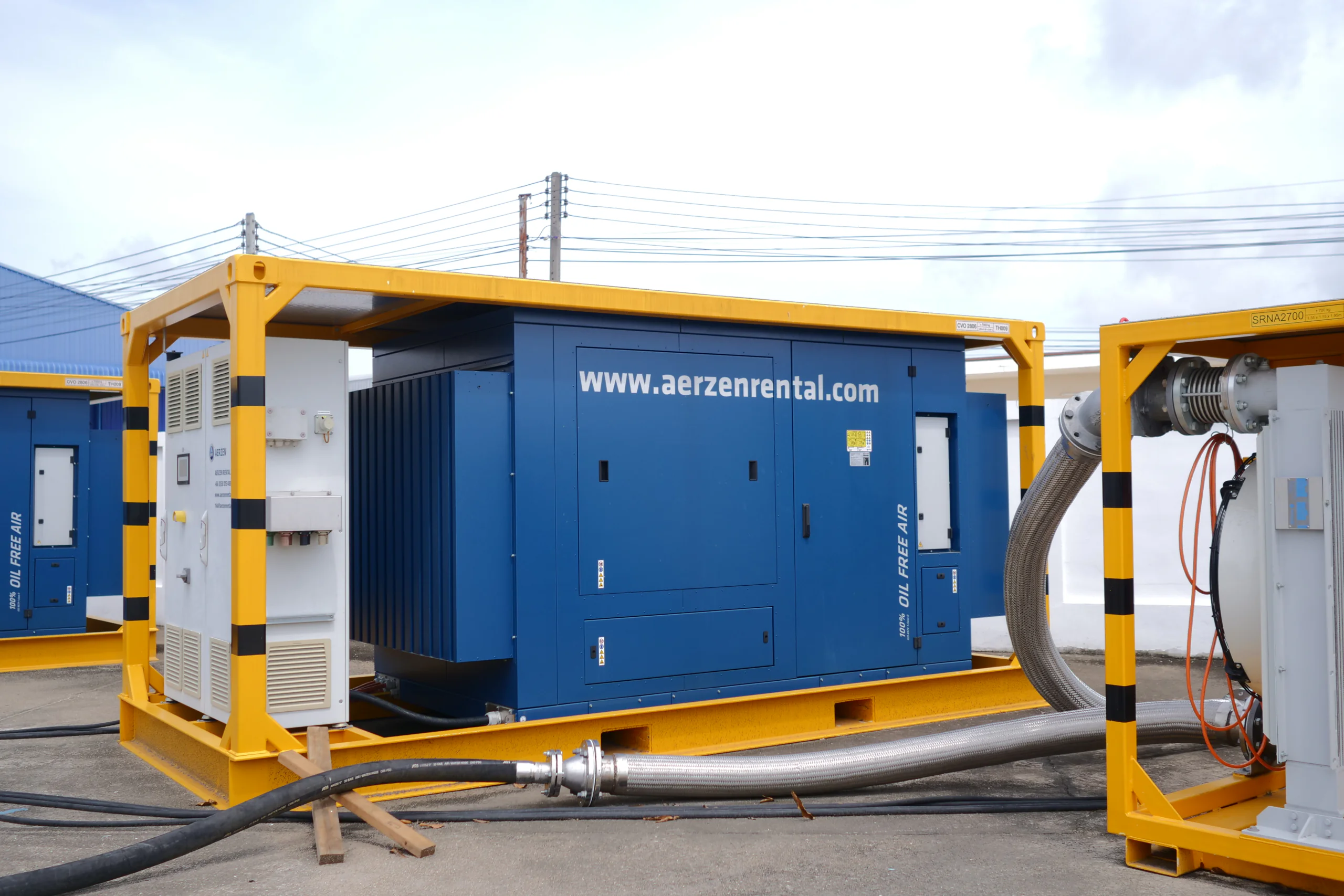
- Efficient Hydrogen Compression Oil Free จาก AERZEN — ISO 8573-1 Class 0 TÜV certified ทุกหน่วย
- เทคโนโลยี 5 ตระกูล: BVO rotary lobe · BVS Delta Hybrid · DVO oil-free screw · TVO oil-free screw compressor · VMW water-injected — flow 60-18,000 m³/h ครบทุกขนาด
- 4 ตัวเลือกการเช่า: Emergency 24h · Short-term 1-6 เดือน · Long-term 12-36 เดือน · Subscription Plan all-inclusive
- ส่งทั่วประเทศ: Sattahip EEC depot mobilization 24-48 ชั่วโมง · 4h response SLA สำหรับ Subscription Plan
- TCO 5 ปี: Subscription มักประหยัด 18-28% เทียบซื้อขาด — รวม service + monitoring + warranty + upgrade option
ภาพรวม: Efficient Hydrogen Compression Oil Free ใน Thailand Industrial Market
การเลือก Efficient Hydrogen Compression Oil Free สำหรับโรงงานอุตสาหกรรมในประเทศไทยไม่ใช่การตัดสินใจระดับ “เลือกเครื่องไหน” — แต่เป็นการตัดสินใจระดับ risk transfer + compliance posture. Plant Manager + Engineering Manager ต้องเผชิญกับ 3 ตัวแปรพร้อมกัน: CAPEX, energy efficiency, และ deployment speed. ที่จุดตัดของ 3 ตัวแปรนี้ Efficient Hydrogen Compression Oil Free จาก AERZEN ให้คำตอบที่ระบบซื้อขาดยากจะ matched โดยเฉพาะเมื่อ business case ยังไม่ stabilize หรือเมื่อ standard compliance (HACCP, ISO 22000, SEMI, ATEX) ต้องตอบ audit ภายในกรอบเวลาที่จำกัด.
AERZEN Rental Thailand ให้บริการ Efficient Hydrogen Compression Oil Free ครอบคลุม 5 product family หลัก — BVO rotary lobe, BVS Delta Hybrid, DVO oil-free screw, TVO oil-free screw compressor, และ VMW water-injected screw compressor. รองรับ flow range 60–18,000 m³/h, pressure 0.3–13 bar(g), และ vacuum applications. ทุกหน่วยผ่านการรับรอง ISO 8573-1 Class 0 โดย TÜV Rheinland ซึ่งเป็นมาตรฐานเดียวที่ระบุว่า delivered air ต้องมี total oil content ≤ 0.01 mg/m³ และต้องวัดโดย third-party lab — ไม่ใช่ vendor self-declaration.
บทความนี้คือคู่มือสมบูรณ์สำหรับการตัดสินใจ Efficient Hydrogen Compression Oil Free — เริ่มจากความเข้าใจ Class 0 standard, เปรียบเทียบเทคโนโลยี, รีวิว AERZEN portfolio, วิเคราะห์ TCO 5 ปีเทียบกับการซื้อขาด, จนถึง mobilization timeline และ FAQ ที่ Plant Manager ถามบ่อยที่สุด. เนื้อหาเขียนจากมุมมองวิศวกร — มี spec จริง, ตัวเลขจริง, และ trade-off ที่ตรงไปตรงมา.
ISO 8573-1 Class 0 — มาตรฐานที่ไม่มีทางลัด
ก่อนตัดสินใจ Efficient Hydrogen Compression Oil Free Plant Manager ต้องเข้าใจสิ่งหนึ่งก่อน: คำว่า “oil-free” ในการตลาดทั่วไป ไม่เท่ากับ Class 0 ตาม ISO 8573-1. ผู้ผลิตจำนวนมากอ้าง “oil-free” แต่ไม่ผ่าน third-party certification หรือไม่ระบุว่าวัดที่จุดไหน — outlet ของเครื่อง, point of use, หรือ tank receiver.
ISO 8573-1 (ฉบับ 2010) แบ่งคุณภาพอากาศอัดเป็น 7 classes ตาม total oil content. Class 0 = total oil content ≤ 0.01 mg/m³ โดยไม่มี oil ในระบบเลย — ไม่ใช่ filtered ออกจนต่ำกว่า threshold. หมายความว่า oil-flooded compressor + downstream filtration ไม่สามารถ claim Class 0 ได้แม้ filter รับรอง ≤ 0.01 mg/m³ — เพราะมี risk จาก filter failure, bypass, หรือ saturated element.
💡 จุดสำคัญ
AERZEN ทุกตระกูล oil-free ผ่านการรับรอง Class 0 โดย TÜV Rheinland ตามมาตรฐาน ISO 8573-1:2010. Sampling point = outlet ของเครื่อง (ไม่ใช่หลัง filter). Periodic re-certification ที่โรงงาน AERZEN เยอรมนี.
เทคโนโลยี + หลักการทำงาน
Efficient Hydrogen Compression Oil Free ของ AERZEN ครอบคลุม 3 หลักการ compression แบบ oil-free:
- Dry-running (oil-free): Compression chamber ไม่มี oil เลย — ใช้ tight clearance + PTFE coating แทน. ตัวอย่าง: BVO rotary lobe, DVO screw blower, TVO screw compressor
- Water-injected: ฉีด DI water เข้า chamber แทน oil เพื่อ cool + seal — water ทำหน้าที่เหมือน oil แต่ไม่ปนเปื้อน. ตัวอย่าง: VMW screw compressor 13 bar
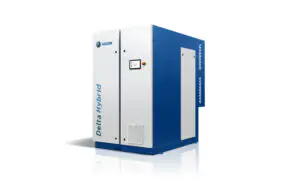
- Hybrid (rotary lobe + screw): Internal compression แบบ screw + rotary lobe profile — efficiency 78-80% (สูงกว่า rotary lobe ปกติ 20-30%). ตัวอย่าง: BVS Delta Hybrid
5 Product Families หลัก
| Series | Technology | Flow Range | Pressure | Best For |
|---|---|---|---|---|
| BVO | Rotary Lobe (PD) | 60-3,000 m³/h | 0.3-1.0 bar | WWTP aeration, F&B conveying ระยะใกล้ |
| BVS Delta Hybrid | Hybrid Screw | 400-9,000 m³/h | 0.3-1.5 bar | Large WWTP, semiconductor utility, medium-distance conveying |
| DVO | Oil-Free Screw | 500-7,500 m³/h | 0.3-1.5 bar | F&B process air, fine particle conveying, chemical |
| TVO | Oil-Free Screw Compressor | 600-5,500 m³/h | 4-10 bar | F&B compressed air, semiconductor process, instrument air |
| VMW | Water-Injected Screw | 900-5,500 m³/h | up to 13 bar | Beverage carbonation, semiconductor wafer fab, sterile F&B |
การประยุกต์ใช้ในอุตสาหกรรมไทย
AERZEN Efficient Hydrogen Compression Oil Free ครอบคลุม 6 กลุ่มอุตสาหกรรมหลักที่ active ในประเทศไทย:
1. Wastewater Treatment (Municipal + Industrial)
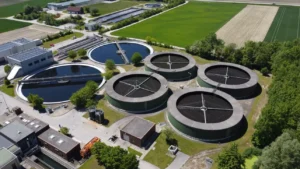
WWTP ใช้ blower เป็นหัวใจของ aeration system — biological treatment ต้องการ oxygen transfer คงที่ 24/7. Municipal WWTP กรุงเทพและปริมณฑลส่วนใหญ่ใช้ BVS Delta Hybrid 2,000-9,000 m³/h. Industrial WWTP (FGD scrubber, dairy treatment, brewery wastewater) ใช้ BVO/DVO ขนาดเล็กกว่า.
2. Food & Beverage (F&B)
F&B เป็นกลุ่มที่ Efficient Hydrogen Compression Oil Free สำคัญที่สุด — HACCP, ISO 22000, FSSC 22000 audit ตรวจ compressed air quality เสมอ. Application หลัก: pneumatic conveying (น้ำตาล แป้ง นมผง กาแฟ), package filling, bottle blowing, beverage carbonation, dairy aseptic.
3. Semiconductor & Electronics
Wafer fab + electronics assembly ใน Chiang Mai, Lamphun, EEC ใช้ Efficient Hydrogen Compression Oil Free สำหรับ cleanroom utility air, wafer transport, lithography process. มาตรฐาน SEMI F75 + ISO 14644 Class 1-7.
4. Petrochemical
Petrochemical plant ใน Map Ta Phut, Rayong, Chonburi ใช้ Efficient Hydrogen Compression Oil Free สำหรับ instrument air, plant air, nitrogen generation feed, ATEX zone applications. ทุกหน่วยต้อง ATEX certified (Zone 1 หรือ Zone 2).
5. Chemical Process
Chemical plant ใช้ oil-free compressor สำหรับ reactor air supply, vapor recovery, neutralization, drying. หลายงานต้องการ ATEX + corrosion-resistant material (SS316L) — โดยเฉพาะงานที่สัมผัส acid vapor หรือ chlorinated compound.
6. Pneumatic Conveying (Cement, Plastic, Mining)
Pneumatic conveying สำหรับ cement, plastic pellet, mining mineral ต้องการ Efficient Hydrogen Compression Oil Free เมื่อ material สัมผัส food chain หรือเมื่อ process ห้าม oil contamination.
Case Scenario: โรงงานไทย
โรงงานอุตสาหกรรมแห่งหนึ่งใน EEC — Efficient Hydrogen Compression Oil Free Deployment
Challenge: โรงงานต้องการ Efficient Hydrogen Compression Oil Free ที่ผ่าน ISO 8573-1 Class 0 + TÜV certificate + audit-ready documentation. Constraint:
- Production deadline 90 วัน
- Audit กำหนดการ 75 วันข้างหน้า
- ยังไม่มีข้อมูล demand profile จริง
Solution: AERZEN unit via Long-Term Rental 18 เดือน + commissioning
- Mobilization 60 ชั่วโมงจาก Sattahip depot
- TÜV Class 0 certificate (serial-matched) ส่งมอบพร้อม unit
- Quarterly performance review + upgrade clause
Outcome: Production deadline เปิด on-time. Audit ผ่านโดยไม่มี non-conformity. หลัง 18 เดือน demand profile ชัด → customer ตัดสินใจ continue Subscription Plan.
หมายเหตุ: scenario สังเคราะห์จาก typical performance gap ของอุตสาหกรรม — เพื่อจุดประสงค์ในการอธิบายเชิงเทคนิค ไม่ใช่ case study ของลูกค้ารายใดรายหนึ่ง
4 ตัวเลือกการเช่า Efficient Hydrogen Compression Oil Free
24H DEPLOY
Emergency Rental
- ส่งภายใน 24 ชั่วโมง (EEC) / 48 ชั่วโมง (ทั่วประเทศ)
- Minimum 1 สัปดาห์
- Premium pricing (+35-55% vs Long-term)
- Hotline 24/7
1-6 เดือน
Short-Term Rental
- Mobilization 48-72 ชั่วโมง (EEC)
- Includes commissioning + decommissioning
- Competitive pricing
12-36 เดือน
Long-Term Rental
- Volume discount 15-25%
- Priority service response 4h
- Option to extend / purchase
ALL-INCLUSIVE
Subscription Plan
- Monthly fixed fee
- รวม unit + service + monitoring + warranty + upgrade
- 100% uptime SLA
- AerProgress IIoT included
TCO Analysis 5 ปี — เช่า vs ซื้อ
คำถามที่ Plant Manager + CFO ถามมากที่สุดสำหรับ Efficient Hydrogen Compression Oil Free คือ “เช่ากับซื้อ ตัวไหนคุ้มกว่า?” คำตอบขึ้นอยู่กับ 5 ตัวแปร: operating hours/year, capital availability, technology obsolescence risk, service capability internal, business horizon.
📊 เปรียบเทียบ TCO 5 ปี — กรอบการคิด
สมมติโรงงานเดินเครื่องต่อเนื่องตลอดปี:
Option A — ซื้อขาด: ต้องใช้งบลงทุนก้อนใหญ่ตั้งแต่ปีแรก แล้วแบกค่าบำรุงรักษาและค่าพลังงานต่อเนื่องตลอดอายุการใช้งาน
Option B — Subscription Plan: ไม่ต้องใช้งบลงทุน จ่ายเป็นค่าบริการรายเดือนคงที่ที่รวมเครื่อง บริการ และอะไหล่ไว้แล้ว — คาดการณ์งบประมาณได้ตลอดสัญญา
ตัวเลขจริงขึ้นกับ flow ความดัน ชั่วโมงเดินเครื่อง และระยะสัญญาของแต่ละโรงงาน — ทีมวิศวกรคำนวณ TCO ให้เฉพาะเคสของคุณพร้อมใบเสนอราคา
Hidden benefit Option B: AERZEN รับ technology obsolescence + downtime risk — ไม่มีใน Option A.
ขั้นตอน Mobilization และ Deploy
- Day 0: Quote request ผ่าน contact form หรือ Hotline 098-323-2626. Sales engineer ติดต่อกลับ 4 ชั่วโมง.
- Day 1-2: Technical scoping call — flow/pressure requirement, infrastructure, site logistics.
- Day 3: Quotation issued + spec sheet + TÜV certificate template + draft service agreement.
- Day 4-7: Contract signed + unit reserved + serial allocated.
- Day 8-10: Pre-mobilization site visit (สำหรับงานใหญ่).
- Day 11-13: Mobilization — truck delivery EEC same-day, unloading, electrical hookup.
- Day 14: Commissioning + handover — startup, performance verification, operator training.
คำถามที่พบบ่อย (FAQ)
Efficient Hydrogen Compression Oil Free ต่างจากเช่า equipment ทั่วไปอย่างไร?
ต่างที่ certification + service: AERZEN ทุก unit มี ISO 8573-1 Class 0 certificate จาก TÜV Rheinland (serial-matched) + 4h service response SLA + audit-ready documentation. vendor ทั่วไปไม่มี third-party cert.
ราคาเช่าเริ่มที่เท่าไหร่?
ขึ้นอยู่กับ specification + ระยะเวลา + service scope. ขอใบเสนอราคาออนไลน์ ภายใน 24 ชั่วโมง.
Mobilization ใช้เวลานานเท่าไหร่?
Emergency: 24 ชั่วโมง (EEC) / 48 (ทั่วประเทศ). Short-term: 48-72 ชั่วโมง. Long-term: 7-14 วัน.
มี ATEX certified ไหม?
มี. TVO + BVS Delta Hybrid มี ATEX option (Zone 1, Category 2G/3G) สำหรับ petrochemical Map Ta Phut + EEC.
รับงาน HACCP / ISO 22000 audit ไหม?
รับครบ. TÜV Class 0 certificate + factory test report + ISO 8573-1 compliance statement พร้อมก่อน auditor มาถึง 30 วัน.
Run continuous 24/7 ได้นานแค่ไหน?
ออกแบบสำหรับ continuous duty 24/7 พร้อม preventive maintenance ที่ 2,000h / 8,000h / 20,000h / 40,000h (overhaul ~5 ปี). ใน Subscription Plan รวมหมด.
มี remote monitoring (IIoT) ไหม?
มี. AerProgress IIoT platform ติดตั้งทุก unit ใน Subscription Plan — monitor discharge pressure, flow, energy, vibration, bearing temp realtime.
Subscription Plan ดีกว่า Long-term Rental อย่างไร?
Subscription all-inclusive: unit + service + monitoring + warranty + upgrade + 100% uptime SLA. Long-term: unit + service พื้นฐาน. OPEX-only model → Subscription. Lower monthly fee → Long-term.
🚀 ขอใบเสนอราคา Efficient Hydrogen Compression Oil Free
Rent a solution. Expect performance.
AERZEN Rental Solutions is always close at hand.
ราคา Efficient Hydrogen Compression Oil Free ขึ้นอยู่กับ specification + ระยะเวลา + service scope — quotation ภายใน 24 ชั่วโมง
ที่อยู่: 36/60 Phlu Ta Luang, Sattahip District, Chon Buri 20180
บริษัทแม่: Aerzener Maschinenfabrik GmbH — ก่อตั้ง 1864 — เยอรมนี

✍️ เกี่ยวกับผู้เขียน
ภราดร วรรณสังข์ (Paradorn Wannasung)
Marketing Communication Specialist · นิเทศศาสตรมหาบัณฑิต (การสื่อสารการตลาดและแบรนด์)
ภราดร (Paradorn) เป็นผู้ดูแลด้านการสื่อสารการตลาดของ AERZEN Rental Thailand จบนิเทศศาสตรมหาบัณฑิต (การสื่อสารการตลาดและแบรนด์) เชี่ยวชาญด้านอุตสาหกรรม B2B ในประเทศไทย มีประสบการณ์การสร้างแบรนด์และคอนเทนต์ในกลุ่มอุตสาหกรรมของไทย
ติดต่อ: pwa@aerzenrental.com · LinkedIn
Last reviewed: 26 พฤษภาคม 2569 · ตรวจสอบโดยทีมบรรณาธิการ AERZEN Rental Thailand